Different Forms of Power
A free self-reflection worksheet
A gentle, practical tool for increasing awareness, choice and intention in how you relate to power, within yourself, your relationships, and the systems you move through.
Power is more complex than we’re taught
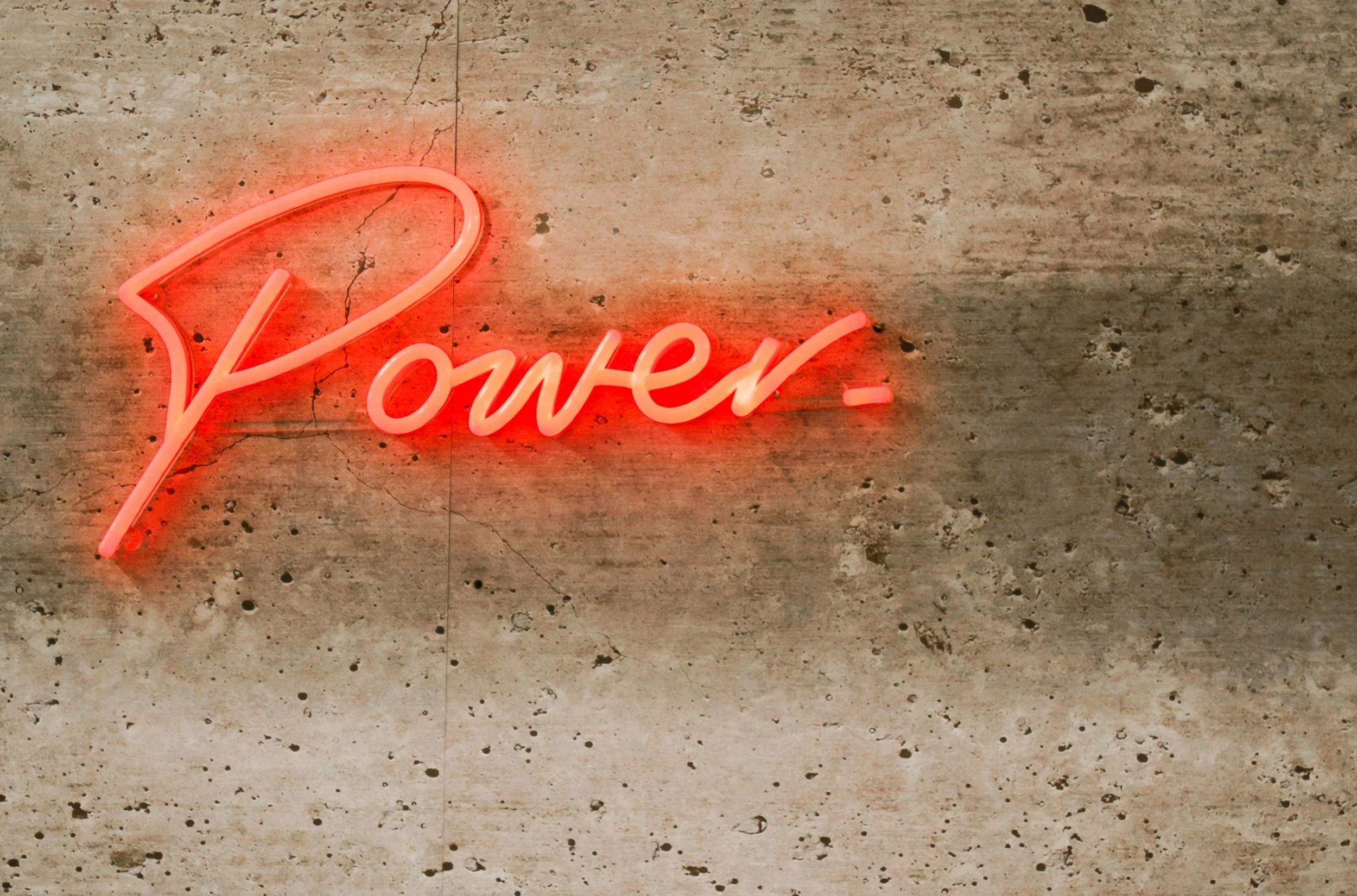
Many of us are taught to think about power as something external… tied to titles, authority, or hierarchy.
But power shows up in many different forms, and it shifts across contexts, relationships, identities and life stages.
When we’re under stress, burnt out, experiencing imposter syndrome, or navigating systemic pressure, it’s common to:
Feel powerless, even when we’re not
Over-use certain forms of power to self-protect
Under-use other forms of power we actually have access to
This worksheet was created to help you slow down and rebuild a more accurate, compassionate relationship with your own power…
DOWNLOAD the free Different Forms of Power WORKSHEET

What you’ll receive when you download:
an email with the free fillable worksheet as a PDF attachment
occasional newsletters with reflections, tools, and updates from my practice.
Your responses are private and for your own reflection.

Who this worksheet may be helpful for:
This reflection tool may be especially relevant if you:
A leader, practitioner, or facilitator
Navigating burnout, imposter syndrome, or performance pressure
Working in caring, advocacy, or people-centred roles
Carrying identity-based or systemic stress
Rebuilding confidence, agency, or direction after a difficult season
What this worksheet helps you explore
This free, fillable self-reflection worksheet is based on and adapted from Julie Diamond’s work on Power Intelligence.
It invites you to reflect on six different forms of power:
Forms of power that are always with you
Personal Power –> strengths, values, coping skills, personality traits, sense of purpose
Experiential Power –> lived experience, insight, wisdom
Expert Power –> knowledge, training, skills, credentials
Forms of power that are context-specific
Social Power –> identity, status, privilege, access
Informal Power –> relationships, trust, influence, networks
Positional Power –> role, title, formal authority
You’ll be guided to reflect on:
Which forms of power you tend to under-use or over-use
How stress, burnout, or threat affect how you use power
Where certain power strategies work — and where they fall short
How reconnecting with neglected forms of power might support you in current challenges
This is not about dominance, control or “being more powerful”.
It’s about awareness, responsibility and choice.
Next Steps:
If your reflections in this worksheet raised questions, discomfort or clarity…
That’s often a sign you’re touching something important.
Depending on what came up for you, these supports may feel relevant:

For professionals and leaders who want reflective, confidential support navigating power, responsibility, burnout, ethical tension, and complex relational dynamics.

Shared reflective space for teams or groups working with complexity, power, care, and accountability in relational systems.

Support for leaders seeking to build power intelligence, self-awareness, and sustainable leadership practices grounded in ethics and care.

For those whose relationship with power is shaped by migration, identity, intergenerational pressure, and systemic inequity.

For those whose power becomes constrained by fear, self-doubt, over-functioning, or constant self-monitoring.

Support for rebuilding agency, identity, and self-trust after relational rupture and loss.

For exploring power, autonomy, consent, pleasure, and self-relationship in embodied and relational ways.
A gentle closing note:
Power is not fixed…
It’s relational, contextual and responsive!
Awareness is often the first step toward using power more consciously and compassionately.